What to Expect From Dental Implants in Bakersfield CA
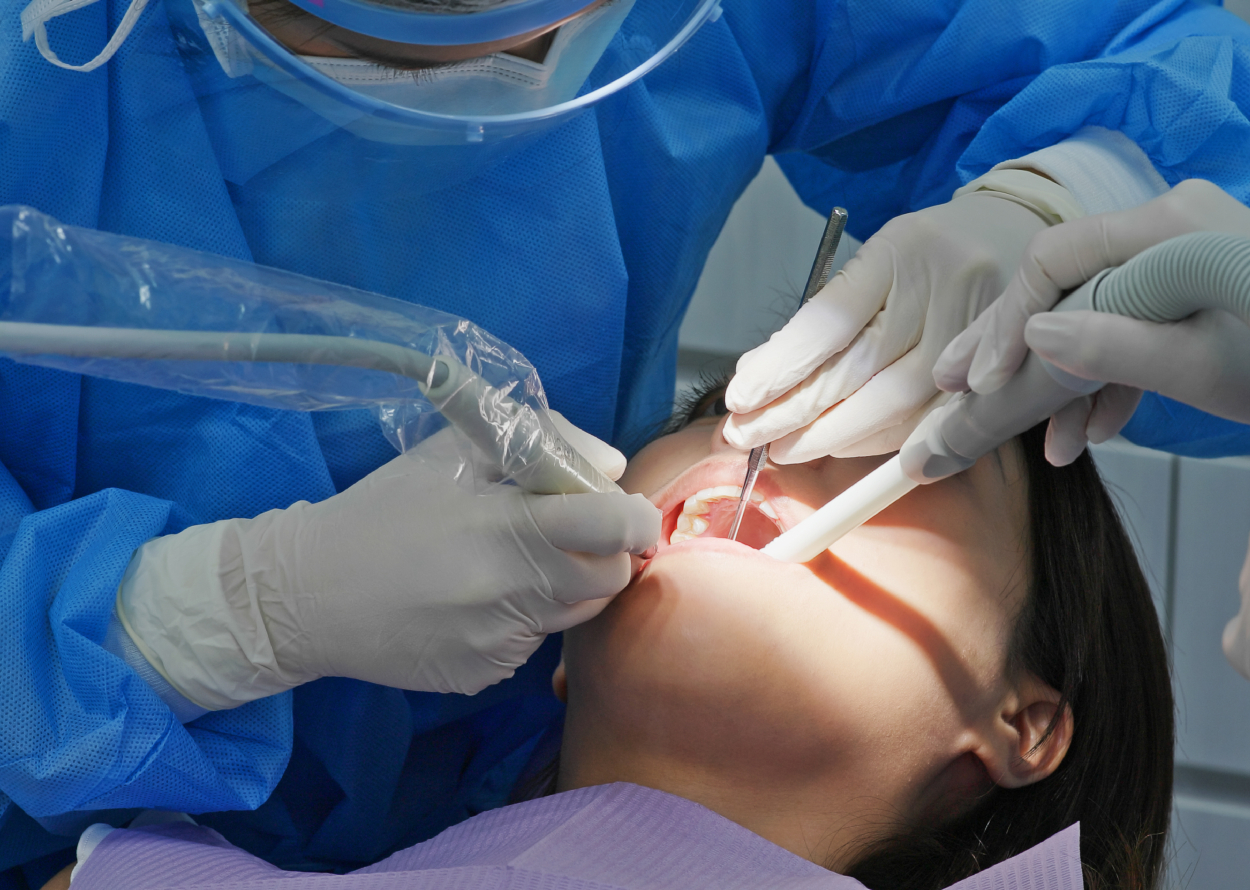

Losing a tooth changes more than a smile. It can alter the way food feels, the way words come out, and the way a person carries themselves in a room. Many people first notice the problem in ordinary moments, biting into a sandwich on one side only, avoiding photos, or feeling that a denture shifts when it should stay put. Dental implants can solve those problems in a way that feels remarkably close to having natural teeth again, but the process is more involved than many people expect.
If you are exploring Dental Implants Bakersfield CA, it helps to understand the treatment from the patient’s side, not just the technical side. Implants are not a same-day fix for everyone. They require planning, healing time, and a realistic conversation about cost, comfort, and long-term care. At the same time, for the right candidate, they are often the most stable and durable way to replace missing teeth.
Why so many patients choose implants
Traditional bridges and removable dentures still have an important place in dentistry. They can be effective, and in some situations they are the best option. Implants stand apart because they replace not only the visible part of the tooth but also the root structure beneath the gums. That matters more than most people realize.
When a tooth is lost, the jawbone in that area begins to shrink over time because it no longer receives the stimulation that chewing once provided. An implant, once integrated with the bone, helps preserve that support. Patients often describe the difference in practical terms. A bridge can look good, but an implant tends to feel more independent. A denture can restore appearance, but an implant-supported tooth usually offers more confidence while eating and speaking.
In a place like Bakersfield, where people lead busy lives and often want something dependable rather than temporary, that stability matters. Patients who work on their feet, speak with customers all day, or simply want to eat comfortably at family gatherings often find that implants justify the extra time and investment.
What a dental implant actually is
A dental implant is typically a small titanium post, or in some cases another biocompatible material, placed in the jawbone where a tooth root used to be. After healing, that implant supports a connector piece and a crown, bridge, or denture. The visible part looks like a natural tooth. The hidden part is what gives the restoration its strength.
That description sounds simple, but the success of the treatment depends on careful planning. The dentist or specialist has to evaluate bone volume, gum health, bite pressure, medical history, and the condition of neighboring teeth. A good implant is not just placed, it is positioned with precision so the final tooth functions well and is easy to clean.
One of the biggest misconceptions is that an implant is just a screw placed into bone in a routine visit. In reality, quality implant treatment blends surgery, restorative dentistry, imaging, and long-term maintenance. The patients who do best are usually the ones who understand that this is a process, not a quick product.
The first visit is more important than people think
The consultation often determines whether the rest of the experience feels smooth or frustrating. During that first visit, the clinician will examine the mouth, take images, and ask questions that may seem unrelated at first. Smoking history, diabetes control, medications, grinding habits, previous extractions, and sinus anatomy can all affect planning.
Many Bakersfield patients come in asking one direct https://josueqzwo034.alderbrief.com/posts/benefits-of-choosing-dental-implants-bakersfield-ca-for-tooth-replacement question: “Can I get an implant?” The more useful question is, “Can I get an implant that will last?” Those are not always the same thing.
A thorough workup may include a 3D scan, especially if the missing tooth is near the sinus in the upper jaw or close to important nerves in the lower jaw. This helps the dentist measure bone precisely and avoid guesswork. Patients are sometimes surprised by the level of detail involved, but that caution is a good sign. Implant dentistry rewards accuracy.
At this stage, you should also expect an honest conversation about alternatives. If a bridge, partial denture, or implant-supported denture makes more sense for your situation, a responsible provider should say so clearly. The best treatment plans are not driven by trends. They are driven by anatomy, health, and goals.
Are you a good candidate?
Most healthy adults with one or more missing teeth can at least be evaluated for implants, but candidacy is not automatic. Bone quality matters. Gum health matters. Habits matter. So does patience.
A patient with healthy gums, adequate bone, and good home care often moves through treatment predictably. A patient with advanced gum disease, uncontrolled diabetes, heavy tobacco use, or longstanding bone loss may still be treatable, but the road can be longer and the risks higher.
There is also an age-related misconception worth clearing up. Being older does not disqualify someone from implant treatment. I have seen patients in their seventies and eighties do very well with implants because they were motivated, medically stable, and diligent about hygiene. On the other hand, a younger patient with poor gum care and frequent smoking may be a weaker candidate despite their age.
Sometimes the answer is, “Yes, but not yet.” That can mean treating periodontal disease first, extracting a failing tooth and allowing healing, or rebuilding bone with grafting before the implant goes in.
The timeline is rarely overnight
This is where expectations matter most. Many implant cases take several months from consultation to final tooth. Some move faster, especially when the conditions are ideal and immediate placement is possible. Others take longer because bone grafting, sinus elevation, or staged healing is needed.
A typical sequence may look like this:
- Consultation, imaging, and treatment planning
- Extraction if the damaged tooth is still present, sometimes with bone grafting
- Implant placement after healing, or immediately in select cases
- Osseointegration, the healing phase where bone bonds to the implant
- Final restoration with a crown, bridge, or denture attachment
That healing phase is the part many patients underestimate. Osseointegration often takes a few months, and rushing it can jeopardize the result. If the bone is soft, if grafting was needed, or if several implants are being placed, the dentist may recommend even more time before loading the implant with chewing pressure.
For patients asking about same-day teeth, the answer depends on the case. Sometimes a temporary tooth can be placed the same day, particularly in the front where appearance matters and bite forces can be controlled. That does not mean the implant is fully healed that day. It means the visible gap can often be managed while the deeper biology catches up.
How the procedure usually feels
Fear of the procedure keeps many people from even booking the consultation. In practice, most patients report that the anticipation is worse than the surgery itself. Local anesthesia is typically very effective. Some offices also offer sedation options for anxious patients or more complex cases.
During the procedure, you may feel pressure and vibration, but sharp pain should not be part of the experience. Afterwards, soreness is normal. Swelling, mild bruising, and tenderness for a few days are common, especially when grafting is involved. Most people manage well with a short period of modified eating, ice, rest, and prescribed or recommended medications.
The comparison many patients make is interesting. They often say implant placement was easier than they expected and sometimes easier than a difficult extraction. That is not true for every case, but it is common enough to be reassuring. The surgical area is controlled and precise. The bigger challenge is usually the healing discipline afterward, resisting crunchy foods, keeping the mouth clean, and showing up for follow-up visits.
Bone grafting is common, and it is not a red flag
Hearing the words “bone graft” can make patients assume their case is unusually severe. Often it simply means the treatment is being done carefully. Bone grafting is frequently recommended after tooth loss because the ridge narrows over time. Even a person who lost a tooth only months ago may need some support to create a stronger foundation for the implant.
In the upper back jaw, the sinus can limit available bone height, which is why some patients need a sinus lift or sinus augmentation before or during implant placement. In the lower jaw, the issue may be width rather than height. Each area has its own challenges.
This is one place where experience matters. The decision to graft, how much to graft, and when to place the implant all require judgment. An overly aggressive plan can add unnecessary cost and time. An overly optimistic plan can produce poor implant positioning or compromised esthetics later. Good treatment planning lives between those extremes.
The final tooth is where artistry meets engineering
Patients often focus on the implant itself, but the restoration on top matters just as much. A beautifully integrated implant can still disappoint if the crown looks bulky, feels off in the bite, or traps food. The best implant work disappears into daily life. You stop thinking about it.
For a front tooth, appearance becomes especially demanding. The gumline symmetry, crown shape, color match, and translucency all matter. Tiny differences that go unnoticed in the back of the mouth are obvious in the smile zone. That is why replacing a single front tooth can sometimes be more technically challenging than replacing a back molar.
For back teeth, function dominates. The restoration must handle stronger bite forces and allow cleaning access. If a patient grinds or clenches, a night guard may be recommended to protect both the implant and natural teeth. Implants do not decay like natural teeth, but they can still fail under chronic overload or poor hygiene.
Cost in Bakersfield, and why quotes can vary so much
Dental implant fees vary widely, and patients often get confused when one office’s estimate is much higher than another’s. Part of the difference comes from what is included. Some quotes cover only the surgical placement of the implant. Others include imaging, extraction, grafting, abutment, crown, follow-up, and temporary restorations. You cannot compare numbers fairly unless you know what each treatment plan includes.
Geography also affects pricing, but even within Bakersfield there can be meaningful variation based on the provider’s training, materials used, lab quality, sedation options, and case complexity. A straightforward single implant in a healthy site is not the same as rebuilding multiple teeth in a patient with bone loss.
Before moving forward, ask for a clear written estimate and have the office explain the phases. A useful financial conversation should cover the surgical portion, the restorative portion, possible grafting, and any temporary tooth replacement if needed during healing.
Here are a few smart questions to ask during a consultation:
- Does the quoted fee include the implant, abutment, and final crown?
- Will I need a bone graft or sinus procedure?
- Who is placing the implant and who is making the final tooth?
- What happens if healing takes longer than expected?
- How will maintenance and follow-up be handled after treatment?
Those questions tend to reveal whether the office has a well-coordinated plan or a fragmented one.
Recovery at home, what patients should realistically prepare for
Recovery is not usually dramatic, but a little preparation helps. Soft foods for several days are wise. Think eggs, yogurt, soup that is not too hot, pasta, cooked vegetables, smoothies, and fish. Most patients can return to normal routines quickly, though strenuous exercise may need to pause briefly depending on the procedure.
Oral hygiene remains important, but the early phase requires gentleness. The care instructions may include a rinse, careful brushing around the area, and avoiding direct trauma to the site. Smoking is especially risky during healing because it compromises blood flow and raises the chance of implant failure.
One practical point that is often missed: temporary teeth are temporary. If you receive a flipper, temporary bridge, or immediate provisional crown, treat it carefully. Biting into hard bread, nuts, ice, or tough meat too early can create problems that delay the whole case.
Possible complications, and how often worry is useful
Implants have high success rates when properly planned and maintained, but they are not magic. Anyone promising a risk-free process is overselling it. Complications can include infection, failure of the implant to integrate, nerve irritation, sinus issues in upper-jaw cases, loosening of components, gum recession, or esthetic results that do not fully meet expectations.
Most problems are manageable, especially when caught early. What matters is recognizing that long-term success depends on both provider skill and patient behavior. I have seen excellent implant treatment undermined by one avoidable pattern, disappearing after the crown is delivered and neglecting maintenance because the tooth “isn’t real.” The surrounding gums and bone are very real, and they need care.
Peri-implant disease, which is inflammation or infection around implants, can be serious. It often starts quietly, with bleeding during brushing or a bad taste near the site. That is why regular cleanings and exams remain essential. An implant is a restoration, not a substitute for oral health.
How implants compare with bridges and dentures in real life
On paper, every option has pros and cons. In real life, the choice often comes down to what a patient values most.
A fixed bridge can be faster and may cost less upfront, but it usually requires reshaping neighboring teeth. If those teeth are healthy, that trade-off deserves careful thought. A removable partial denture can restore function economically, but some people never fully adapt to the feel of a removable appliance. Full dentures can improve appearance and basic chewing, yet lower dentures in particular are often less stable than patients hope.
Implants generally ask more of the patient at the beginning, more time, more planning, often more money. In return, they typically offer better stability, preserve bone more effectively, and feel more like individual teeth. For many patients, especially those replacing one tooth or trying to stabilize a lower denture, that trade is well worth it.
Bakersfield-specific considerations patients should keep in mind
Climate is not the deciding factor in implant success, but daily habits shaped by local life can affect recovery. Bakersfield summers are hot, and dehydration can sneak up on people. A dry mouth, whether from heat, medications, or mouth breathing, makes oral care less comfortable and can increase irritation. Staying hydrated during healing is simple but important.
Bakersfield also has many patients with demanding work schedules in agriculture, logistics, construction, healthcare, and service industries. If that sounds like you, tell the office upfront. Timing a surgery before a physically intense workweek is not always ideal. Good scheduling can make the recovery feel much easier.
Another local reality is that many people delay treatment because they are busy, uninsured, or trying to “get by” with a broken or missing tooth. By the time they seek care, the bone may have shrunk enough to complicate treatment. If you are considering Dental Implants Bakersfield CA, earlier evaluation often creates more options, even if you are not ready to proceed immediately.
What a good provider relationship looks like
Implant treatment goes best when communication is straightforward. You should expect the office to explain what they see, why they recommend a certain sequence, and what could change along the way. If your case involves both a surgeon and a restoring dentist, coordination between them should feel seamless, not like you are carrying messages back and forth.
Pay attention to whether your questions are answered clearly. If you ask how long the process will take, “It depends” may be true, but it should be followed by context. If you ask about cost, you should receive specifics, not vagueness. If you ask about risk, the answer should be honest without being alarmist.
Confidence is good. Overpromising is not. Dentistry is biological, and biology does not always run on a perfect timetable.
The long view matters more than the day of surgery
The day the crown is delivered feels like the finish line, but the real value of an implant shows up over years. A successful implant should let you chew comfortably, smile without second thought, and maintain the bone and gum support in that area better than many alternatives. That benefit compounds over time.
The habits that protect that investment are not glamorous. Brush thoroughly. Clean around the implant as instructed. Keep regular visits. Wear a night guard if you clench. Address bleeding gums early rather than waiting. These small actions matter far more than the marketing language that often surrounds implant dentistry.
For many patients, the most surprising part of the experience is how normal life feels once treatment is complete. That is the point. A good implant should not feel like advanced dental work every day. It should feel unremarkable in the best possible sense, stable when you eat, natural when you speak, and easy to forget when you smile.
If you are weighing your options, expect a process that requires patience, good planning, and some financial commitment. Also expect the potential for one of the most reliable tooth-replacement solutions modern dentistry offers. Done well, dental implants can restore more than a missing tooth. They can restore ease, confidence, and the quiet relief of not having to think about that gap anymore.
Smyle Dental Bakersfield
2016 E St, Bakersfield, CA 93301, United States
+16614939040
FAQ About Dental Implants Bakersfield CA
What is the downside of a dental implant?
The main downsides of dental implants involve high financial costs, surgical risks, a lengthy healing process, and the potential for long-term complications.
How much does a full set of implants usually cost?
A full set of dental implants (covering both the upper and lower arches) typically ranges from $6,000 to $90,000+, depending heavily on the type of treatment, materials used, and whether the teeth are fixed or removable.
Can I have all my teeth pulled and get implants?
Yes, you can have all your teeth pulled and replaced with dental implants. Instead of placing a separate implant for every single tooth (which is costly and time-consuming), dentists typically use full-arch systems.