Understanding Impacted Molars and Wisdom Teeth Removal in Oxnard CA
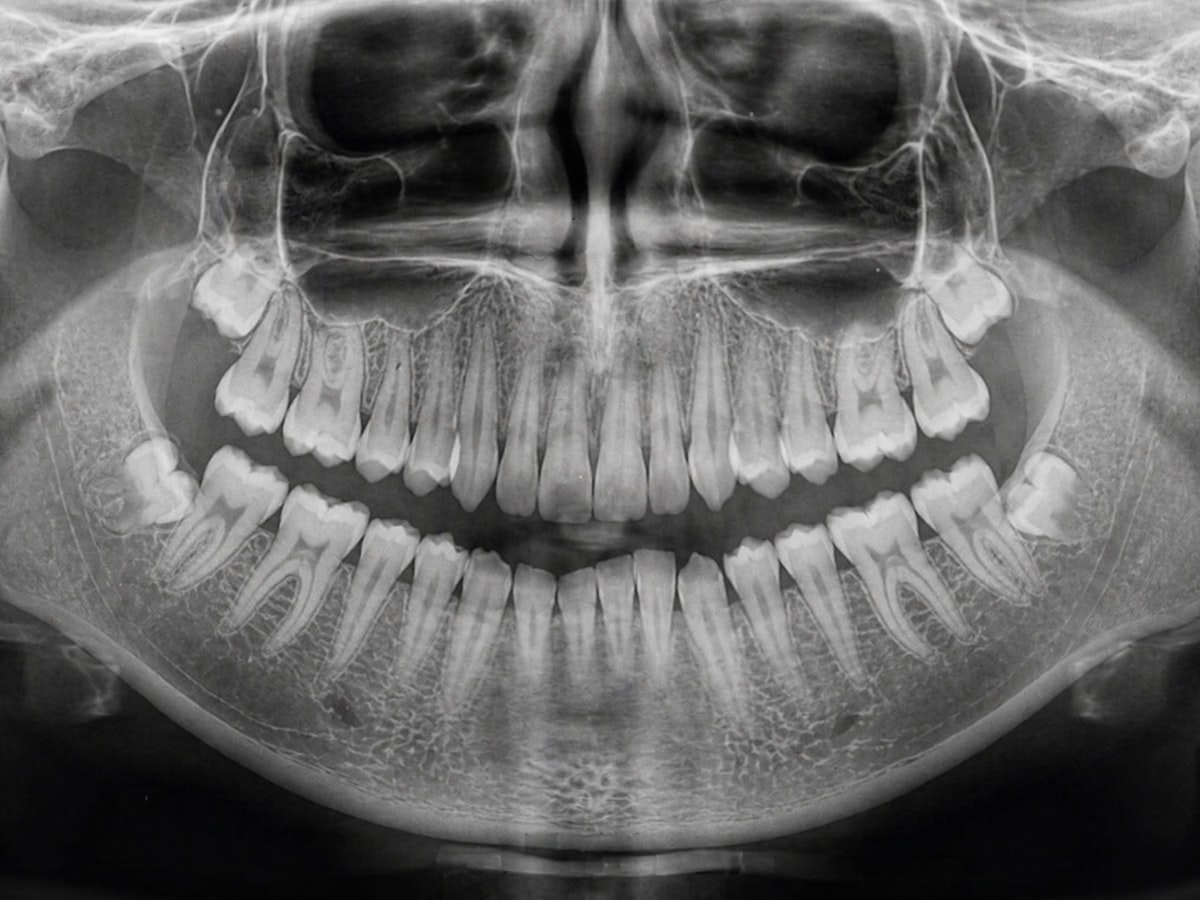
Most people first hear the term "impacted wisdom tooth" after a routine dental exam, often when nothing hurts yet. That surprises patients. If there is no pain, why does a dentist or oral surgeon care so much about a tooth in the back of the mouth?
The answer is simple and practical. Impacted molars, especially third molars or wisdom teeth, can stay quiet for months or years while creating pressure, trapping bacteria, crowding neighboring teeth, or damaging bone and gum tissue in ways that are hard to feel early on. By the time symptoms become obvious, treatment is often less convenient than it would have been at the first warning sign.
For families looking into Wisdom Teeth Removal Oxnard CA, it helps to understand what "impacted" really means, why these teeth cause trouble, and how removal decisions are made. Wisdom tooth care is not one-size-fits-all. Some patients genuinely need timely removal. Others can be monitored safely with exams and imaging. The best decisions come from knowing what is happening below the gums, not from guessing based on age or fear.
What an impacted molar actually is
An impacted tooth is a tooth that cannot erupt normally into its proper position. With wisdom teeth, this usually happens because there is not enough room in the jaw, or because the tooth develops at an angle that blocks its path. A third molar may remain fully buried under bone, partly covered by gum tissue, or partially erupted in a way that makes cleaning nearly impossible.
Many people picture an impacted tooth as one lying completely sideways. That does happen, but impaction can take several forms. Some wisdom teeth tilt toward the second molar in front of them. Others angle backward. Some look fairly upright on an X-ray but still do not have enough space to come in fully. The tooth's position matters because it influences symptoms, surgical complexity, and the risks of leaving it alone.
The back of the mouth is not forgiving real estate. Even a small flap of gum over a partially erupted wisdom tooth can become a chronic trap for food debris and bacteria. Patients often describe a cycle: the area feels normal for a while, then suddenly turns sore, swollen, and difficult to chew on. That pattern is common in partial impactions. The tooth is not functioning well, but it is exposed enough to create recurring inflammation.
Why wisdom teeth become such a frequent problem
Wisdom teeth are the last permanent teeth to develop, typically appearing in the late teens or twenties. By then, the rest of the dentition is already established. If the jaws are short on space, these last molars have nowhere useful to go.
In practice, several factors can contribute. Jaw size is part of it. Tooth size and angulation matter too. Genetics play a role. So does the direction of eruption. A patient with straight, healthy front teeth can still have deeply impacted lower wisdom teeth. A patient with no discomfort at age 18 can start having repeated infections at 24. Timing varies, which is why periodic monitoring matters.
One point worth stressing is that not all impacted wisdom teeth are emergencies. Some remain stable for years. The problem is that stability is not always easy to predict from symptoms alone. I have seen patients with minimal discomfort but significant decay developing on the second molar next door, simply because the impacted wisdom tooth created a hard-to-clean contact point below the gumline. That kind of damage can be expensive and frustrating because the tooth worth saving, the second molar, is the one that suffers.
The difference between impacted molars and ordinary erupting teeth
A normal erupting molar gradually breaks through the gums into a position where it can contact the opposing tooth and be cleaned with brushing and flossing. An impacted molar either does not reach that position or reaches it only partially. Once that happens, the tooth often contributes very little to chewing but creates plenty of opportunities for trouble.
This is why oral surgeons and dentists do not evaluate wisdom teeth the way they evaluate, say, a healthy premolar. Function matters. Cleanability matters. The effect on neighboring structures matters. A wisdom tooth that cannot be cleaned, cannot erupt fully, and repeatedly irritates the surrounding tissue is not simply "another tooth." It is a risk site.
Signs that deserve attention
Symptoms are not always dramatic. Some patients expect severe swelling or unbearable pain and ignore subtler changes for too long. A better approach is to watch for patterns.
- soreness or pressure at the back of the jaw
- swelling or tenderness of the gum behind the second molar
- bad taste or bad breath that keeps returning
- difficulty opening the mouth fully during flare-ups
- food trapping around a partially erupted back tooth
These signs do not automatically mean surgery is needed, but they do justify a professional exam. Repeated flare-ups often point to pericoronitis, an infection or inflammation in the tissue around a partially erupted tooth. It can calm down temporarily with cleaning, rinses, or antibiotics, but if the tooth position remains unfavorable, the underlying problem usually returns.
How dentists and oral surgeons evaluate the situation
The examination starts with the obvious questions. Is the tooth erupted at all? Is there swelling, redness, drainage, or decay? Is the neighboring second molar healthy? Does the patient report repeated episodes or just one isolated event?
Imaging tells the rest of the story. Panoramic X-rays are commonly used to assess the position of wisdom teeth, root development, and proximity to major structures such as the inferior alveolar nerve in the lower jaw or the sinus in the upper jaw. In more complex cases, especially when a lower wisdom tooth appears very close to the nerve, a three-dimensional scan may be recommended.
That imaging helps answer practical questions. Is there enough room for eruption? Is the tooth angled in a way that is likely to damage the tooth in front of it? Is a cyst-like change present around the crown? Are the roots fully formed, curved, or unusually shaped? These details influence whether monitoring is reasonable or removal is the safer path.
Age can affect planning too. In general, younger patients often recover more predictably, and removal may be technically simpler before roots are fully developed and bone becomes denser. That does not mean every teenager should automatically have all wisdom teeth removed. It means the window for a smoother procedure can matter if the teeth already show poor eruption patterns.
When removal is usually recommended
The strongest reasons for wisdom tooth removal are not cosmetic. They are functional and preventive. A partially erupted lower wisdom tooth with repeated inflammation is a common example. So is an impacted tooth causing decay or bone loss on the second molar. Other indications include cyst formation, untreatable decay in the wisdom tooth itself, periodontal pockets that cannot be managed well, and persistent pain linked to the tooth's position.
There are also gray zones. A fully impacted tooth that is symptom-free may still be recommended for removal if imaging shows it is likely to compromise the neighboring molar over time. On the other hand, a deeply buried tooth in an older adult with no pathology and higher surgical risk may be better observed than removed. Good clinical judgment lives in those gray zones.
That is why a thoughtful consultation matters more than broad internet advice. "Always remove them" and "leave them unless they hurt" are both too simplistic. The real question is whether the specific tooth is likely to serve the patient or harm the patient over time.
What wisdom teeth removal involves
For patients considering Wisdom Teeth Removal Oxnard CA, one of the most reassuring things to know is that the procedure is routine for oral surgeons, even when it feels intimidating to the person in the chair. The exact technique depends on the tooth position. Some erupted wisdom teeth can be removed much like standard extractions. Impacted teeth often require a small incision in the gum, removal of a limited amount of bone, and sectioning of the tooth into pieces for gentler removal.
Anesthesia and sedation options vary by case and patient preference. Some people do well with local anesthesia alone, especially for simpler extractions. Others choose nitrous oxide, oral sedation, or IV sedation to make the experience easier. For multiple impacted teeth, deeper sedation is common because it improves comfort and reduces awareness of https://andrefhii229.novacrestiq.com/posts/wisdom-teeth-removal-in-oxnard-ca-knowing-the-warning-signs the procedure.
The surgery itself is usually shorter than patients expect. Even when four wisdom teeth are removed, the appointment may not be especially long. Preparation, anesthesia, and recovery time around the procedure often take up more of the visit than the actual extraction.
After the teeth are removed, the surgeon cleans the area and may place sutures. Gauze is used to help control bleeding. Patients receive instructions on swelling, pain management, diet, oral hygiene, and activity restrictions. Those instructions are not trivial. Following them well has a real effect on comfort and healing.
What recovery usually feels like
Most patients experience swelling, soreness, and some limited jaw stiffness for several days. The first 48 to 72 hours are often the peak for swelling. Bruising can happen, especially in adults and with lower impacted teeth. Mild oozing the first day is common. Sharp, escalating pain several days later is not typical and may suggest a dry socket or another issue worth calling about.
Recovery is shaped by several factors: the depth of impaction, the patient's age, smoking or vaping, general health, how carefully aftercare instructions are followed, and whether the lower teeth were close to the nerve or deeply embedded in bone. A healthy 17-year-old with partially formed roots often bounces back faster than a 38-year-old with dense bone and fully developed impacted lower third molars. That difference is real and worth acknowledging.
Patients often ask when they can return to work, school, or exercise. Many are able to resume lighter daily activities within a few days, but strenuous physical activity too soon can worsen bleeding and swelling. It is better to plan a recovery window with some margin rather than assuming next-day normalcy.
Making recovery smoother
A few habits consistently make the first week easier.
- rest with the head elevated the first day
- use cold packs early, then switch to warmth later if advised
- stay hydrated and choose soft foods that do not irritate the sites
- keep the mouth clean exactly as instructed, without aggressive rinsing at first
- avoid smoking, vaping, and drinking through straws during early healing
Those basics sound ordinary, but they matter. I have seen smooth recoveries go sideways because a patient felt good on day two, returned to intense activity, and triggered more bleeding and swelling. I have also seen patients avoid a lot of discomfort simply by taking the first 72 hours seriously.
Risks patients should understand, without panic
Every surgical procedure carries risks, and wisdom tooth removal is no exception. The key is to understand them in proportion. Most patients heal without major problems. Still, informed consent should be more than a signature.
Dry socket is one of the better-known complications, particularly with lower extractions. It happens when the blood clot at the extraction site breaks down or dislodges too early, exposing bone and causing significant pain. It is treatable, but it can be very uncomfortable. Smoking, forceful spitting, and straw use can increase the risk.
Infection is possible, though careful technique and good postoperative hygiene help reduce it. Temporary numbness or altered sensation in the lip, chin, or tongue can occur when lower wisdom teeth are close to nearby nerves. Permanent nerve injury is uncommon, but the risk is discussed more carefully when imaging shows close contact. Upper wisdom teeth sit near the sinus, so sinus communication is another consideration in some cases.
These risks are exactly why proper imaging, experienced surgical planning, and honest discussion matter. They are not reasons to avoid necessary care. They are reasons to approach care thoughtfully.
Special considerations for impacted second molars
Although wisdom teeth get most of the attention, other molars can become impacted too, especially second molars in younger patients. These cases are less common but can be more nuanced. A second molar that fails to erupt properly may be blocked by a developing wisdom tooth behind it, or it may have its own eruption issue unrelated to the third molar.
Treatment can involve monitoring, removing the wisdom tooth to create space, or coordinating care with an orthodontist. The timing can be delicate. Wait too long, and the eruption path becomes harder to correct. Act too soon without a clear reason, and you may overtreat. This is one area where interdisciplinary planning really helps.
Why local context matters in Oxnard
When patients search for Wisdom Teeth Removal Oxnard CA, they are often looking for more than the procedure itself. They want practical reassurance. Can they get a timely evaluation? Is the clinician used to seeing teens, college students, and adults with different levels of complexity? Are sedation options available? Is follow-up straightforward if swelling or pain raises questions over the weekend?
Those details matter because oral surgery is not just about the extraction. It is about diagnosis, timing, communication, and support during recovery. In a coastal community like Oxnard, where families often balance work schedules, school obligations, and transportation logistics, convenience and responsiveness become part of good care.
Climate and lifestyle can influence recovery habits too. Patients here are often active, outdoors, and tempted to jump back into routines quickly. That is understandable, but the mouth usually needs a few quiet days. Planning around sports, travel, and major events is wise. Removing wisdom teeth a day before a wedding, a long flight, or an important exam is rarely a great idea.
Questions worth asking at the consultation
A strong consultation should leave a patient with a clear sense of why treatment is or is not recommended. It should also clarify what kind of recovery to expect based on the individual case, not just general averages.
Ask whether the teeth are fully impacted, partially erupted, or likely to erupt normally. Ask how close the lower roots appear to the nerve. Ask whether all four teeth need treatment or only the problematic ones. Ask what type of sedation is appropriate and why. Ask how many days of reduced activity are realistic for your age and surgical difficulty.
Good answers tend to be specific. "You have two upper wisdom teeth that are easy, one lower that is partially erupted and repeatedly infected, and one lower that is deeply impacted near the nerve, so we should discuss imaging and risk carefully" is the kind of explanation that builds trust. Broad reassurances without details usually do not.
When it may be reasonable to monitor instead
Not every impacted molar needs immediate removal. If a wisdom tooth is fully buried, symptom-free, free of associated pathology, and not harming the adjacent tooth, observation may be acceptable. Monitoring should still be active rather than passive. That usually means regular exams and periodic imaging, with attention to changes in gum health, decay risk, or the relationship to nearby teeth.
Observation works best when the patient understands the plan. If symptoms develop, waiting indefinitely is no longer observation, it is avoidance. The benefit of monitoring is preserving a tooth that may never cause trouble. The downside is that surgery, if needed later, can become more difficult with age. That trade-off should be discussed openly.
The bigger goal, protecting the teeth that matter most
Wisdom teeth can dominate the conversation, but the real objective is often protecting the rest of the mouth. A healthy second molar is far more valuable for long-term chewing than a poorly positioned third molar trapped under gum or bone. Preventing damage to that second molar is one of the most compelling reasons oral surgeons recommend removal in borderline cases.
Patients usually appreciate that perspective. Once they understand the issue is not simply "taking out extra teeth," but preserving bone, gum health, and the teeth that do the heavy lifting every day, the recommendation makes more sense.
Impacted molars and wisdom teeth removal are ultimately about timing, anatomy, and judgment. The earlier a questionable tooth is evaluated, the more options tend to be available. Whether the right answer is removal now or careful observation, a clear diagnosis gives patients something far better than guesswork: a plan.
Oxnard Dentistry
1730 E Gonzales Rd
Oxnard, CA 93036, United States
Phone: +1 805-307-8731
FAQ About Wisdom Teeth Removal Oxnard CA
How much does it cost to get wisdom teeth removed in California?
Fees depend on tooth position, the number of extractions, imaging and anesthesia. Oxnard Dentistry can provide an individual estimate after examining your teeth. Ask for an itemized plan and confirm insurance benefits before scheduling.
Will insurance cover wisdom teeth removal?
Coverage and out-of-pocket costs vary by policy and the treatment required. Ask the dental office and your insurer to verify benefits, annual limits and any authorization requirements. A benefit estimate does not guarantee payment.
Is 30 too old to have wisdom teeth removed?
Age alone does not determine whether extraction is appropriate. A dentist evaluates symptoms, tooth position, oral health and medical history. Healthy, functional wisdom teeth may be monitored; teeth causing disease or other problems may need treatment.